









Starting a skincare routine can feel overwhelming with so many products and advice available. However, a basic skincare routine doesn’t have to be complicated or expensive. By focusing on a few essential steps and using the right products for your skin type, you can maintain healthy, glowing skin every day. This guide will walk you through how to start a simple and effective skincare routine.
Why Start a Skincare Routine?
Taking care of your skin is more than just vanity—it helps protect your skin from environmental damage, keeps it hydrated, and can prevent common issues like dryness, irritation, and breakouts. A consistent routine also supports skin’s natural renewal process and can improve its texture and appearance over time.
Understanding Your Skin Type
Before choosing products, it’s important to know your skin type. There are generally five categories:
– Normal: Balanced, neither too oily nor too dry
– Oily: Prone to shine and may develop acne or blackheads
– Dry: Feels tight, flaky, or rough
– Combination: Oily in some areas (usually the T-zone) and dry in others
– Sensitive: Easily irritated, red, or prone to allergic reactions
Knowing your skin type helps you pick products that will work best for you without causing irritation or excess oiliness.
Basic Skincare Routine Steps
Here are the key steps to a straightforward skincare routine that works for most skin types:
1. Cleansing
Cleansing removes dirt, oil, and makeup from your skin. It’s important to cleanse twice daily: in the morning and before bed.
– Use a gentle cleanser suitable for your skin type.
– Avoid harsh soaps that strip the skin’s natural oils.
– Use lukewarm water to rinse, as hot water can dry out the skin.
2. Toning (Optional)
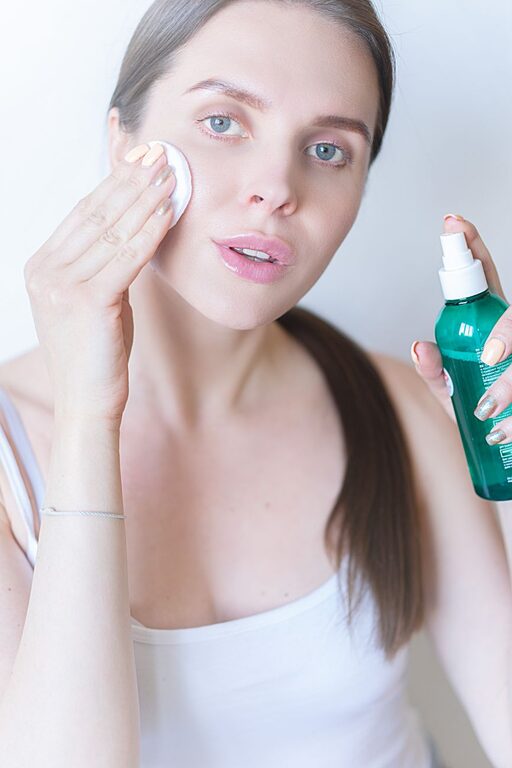
Toners help balance your skin’s pH and can remove any leftover traces of cleanser or makeup. While not essential, many find toners helpful, especially for oily or combination skin.
– Choose an alcohol-free toner to avoid drying.
– Apply toner with a cotton pad or gently pat it on with your hands.
3. Moisturizing
Moisturizers hydrate the skin and lock in moisture. Even oily skin needs moisturizing; just choose a lightweight, non-comedogenic product.
– For dry skin, use richer creams.
– For oily or acne-prone skin, opt for gel-based or oil-free formulas.
– Apply moisturizer while your skin is still slightly damp for better absorption.
4. Sun Protection
Sunscreen is one of the most important steps in preventing premature aging and skin damage.
– Use a broad-spectrum sunscreen with at least SPF 30.
– Apply it every morning, even on cloudy days.
– Reapply every two hours if you’re outdoors.
Additional Tips for Starting Your Routine
– Start slow: Introduce one product at a time to monitor how your skin reacts.
– Patch test: Apply new products to a small skin area first to check for irritation.
– Avoid over-exfoliating: If you choose to exfoliate (1–2 times a week), use a gentle exfoliant to prevent damage.
– Stay consistent: Results take time, usually several weeks, so be patient.
– Hydrate and eat well: Skin health also depends on good hydration and nutrition.
Example Basic Morning and Night Routine
Morning:
- Cleanser
- Toner (optional)
- Moisturizer
- Sunscreen
Night:
- Cleanser
- Toner (optional)
- Moisturizer
When to See a Dermatologist
If you experience persistent skin problems like severe acne, redness, itching, or unusual changes, it’s a good idea to consult a dermatologist. They can provide professional advice and recommend treatments tailored to your needs.
Final Thoughts
Starting a basic skincare routine is a great step towards healthier skin. Focus on cleansing, moisturizing, and protecting your skin from the sun. With consistent care and the right products, you’ll soon notice improvements in your skin’s look and feel. Enjoy the process of caring for yourself and your skin every day!