









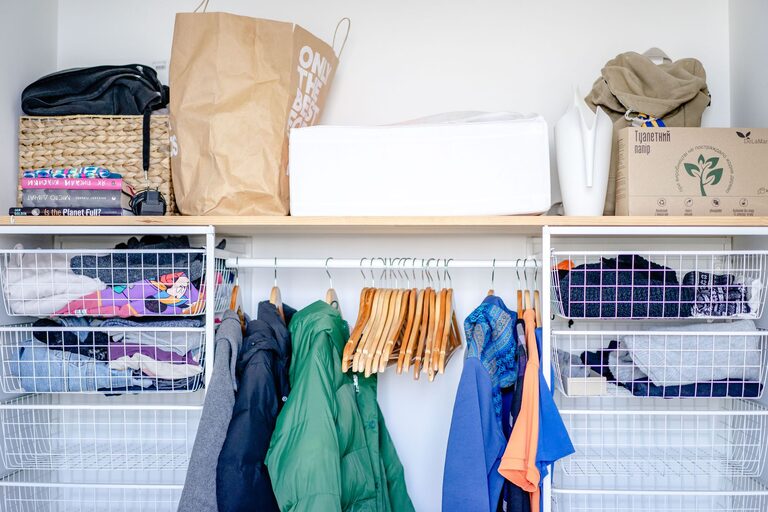
Storing seasonal clothes efficiently is a great way to keep your wardrobe organized, protect your clothing, and maximize your living space. Whether you’re switching from summer to winter wear or packing away holiday outfits, having a system in place can make the process easier and more enjoyable. In this post, we’ll explore practical methods and tips for storing your seasonal clothes so they stay fresh, wrinkle-free, and ready to wear when the season returns.
Why Store Seasonal Clothes Properly?
When clothes are stored incorrectly, they can become wrinkled, damaged, or even develop unpleasant odors. Moisture and pests such as moths may harm delicate fabrics, while cramped storage can cause unwanted creases or fabric distortion. Proper storage not only protects your clothes but also frees up closet space for the current season’s essentials, making daily dressing simpler and more enjoyable.
Preparing Clothes for Storage
Before placing your clothes in storage, it’s important to prepare them carefully.
1. Clean Everything First
Always wash or dry clean your clothes before storing them. Dirt, stains, and oils can attract pests and may set permanently if left untreated. Make sure items are completely dry before packing to prevent mold and mildew.
2. Repair Minor Damages
Check for loose buttons, broken zippers, or small tears and fix them before storage. This will save you time and hassle when you’re ready to wear these items again.
3. Sort and Declutter
Evaluate what you really want to keep and donate or recycle clothes you no longer wear. This step reduces clutter and streamlines your wardrobe.
Choosing the Right Storage Solutions
Selecting appropriate storage containers and spaces can make a big difference in maintaining your clothes’ condition.
1. Use Breathable Containers
Avoid airtight plastic bags that trap moisture, leading to mildew. Instead, opt for breathable fabric garment bags, cotton storage bins, or plastic bins with ventilation holes. These allow air to circulate and help keep fabrics fresh.
2. Vacuum-Sealed Bags for Bulkier Items
Vacuum-sealed bags are great for bulky items like winter coats and heavy sweaters because they save space by compressing the fabric. However, do not store delicate or natural fibers this way for long periods, as they need to breathe.
3. Clear Bins for Easy Identification
Transparent bins make it easier to see what’s inside, so you don’t have to open multiple containers when searching for a specific item.
4. Avoid Hanging Heavy Items
Hanging heavy coats or sweaters for long storage can cause them to lose shape. Fold these items neatly to maintain their structure.
Organizing Seasonal Clothes by Category
Organize your stored clothes by type to make unpacking easier.
– Group by type: sweaters, dresses, pants, outerwear, etc.
– Use labeled bins or sections: clear labeling speeds up finding items later.
– Bundle smaller items: scarves, hats, and gloves can be stored together in smaller boxes or pouches.
Best Storage Locations
Where you keep your clothes is just as important as how you pack them.
1. Cool, Dry, and Dark Spaces
Avoid storing seasonal clothes in damp basements or hot attics. Ideal locations have low humidity and stable temperatures to prevent fabric damage.
2. Under-bed Storage
If closet space is limited, under-bed containers provide an excellent hidden storage option.
3. Closet Shelves
Use upper closet shelves for bins of out-of-season clothes. This keeps them accessible but out of the way.
Protecting Clothes from Damage
Seasonal clothes are vulnerable to pests and environmental damage during storage.
1. Use Cedar or Lavender
Both natural cedar blocks or lavender sachets deter moths and add a pleasant scent without harsh chemicals.
2. Avoid Mothballs
While effective, mothballs contain strong chemicals that can be harmful and leave a lingering odor.
3. Regularly Check Stored Clothes
Every few months, inspect your storage containers for signs of moisture, pests, or odors. Air out clothes if necessary.
Tips for Efficient Seasonal Rotation
– Plan ahead: Set a reminder to swap clothes before the season starts.
– Keep only what fits: Seasonal swaps are a perfect time to reassess your wardrobe size.
– Label clearly: Use labels or photos on storage bins to identify contents quickly.
– Limit storage volume: The less you store, the easier it is to manage your wardrobe.
Conclusion
Efficiently storing your seasonal clothes doesn’t have to be complicated. By preparing your clothes properly, choosing the right storage containers, and organizing thoughtfully, you can protect your wardrobe and save space at the same time. With these tips, you can enjoy a clutter-free closet all year round and spend less time searching for your favorite seasonal pieces. Happy organizing!