








Stretching is an essential part of maintaining a healthy and active lifestyle. It helps improve flexibility, reduce muscle stiffness, and can even boost your overall mood. The best part? You don’t need any special equipment or a gym membership to get started. This guide will walk you through the basics of stretching at home, making it easy to incorporate into your daily routine.
Why Stretching Matters
Many people overlook stretching, but it plays a key role in keeping your body healthy. Stretching:
– Increases blood flow to muscles
– Improves flexibility and range of motion
– Reduces the risk of injury
– Helps relieve muscle tension and stress
– Enhances posture and balance
Whether you’re an athlete, work at a desk, or just want to move more comfortably, stretching benefits all bodies and fitness levels.
When to Stretch
You can stretch at various times throughout the day. The two most common times are:
After Warming Up
Perform light cardio for 5–10 minutes (like walking or jogging in place) to warm your muscles before stretching. Warm muscles respond better and reduce injury risk.
After Your Workout
Stretching after exercise helps cool your body down, prevent tightness, and improve recovery.
If you’re just starting, stretching at any convenient time is better than none—consistency is key.
Types of Stretching
Understanding the two main types of stretching helps you make the most of your routine.
Static Stretching
This involves holding a stretch for 15 to 60 seconds without movement. It’s ideal after workouts to relax muscles.
Dynamic Stretching
These are controlled, gentle movements that take your joints through their full range of motion. Great for warming up before activity.
Preparing for Your Stretching Routine
Before you begin, keep these tips in mind:
– Wear comfortable clothing that allows free movement
– Find a quiet, open space to stretch safely
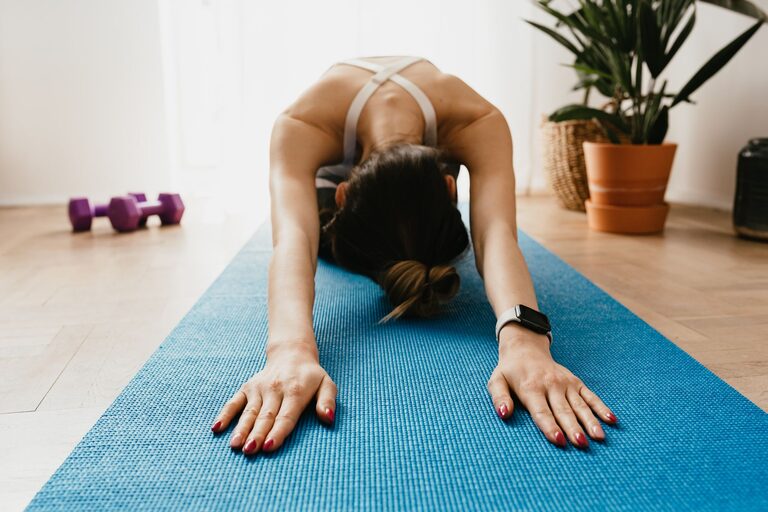
– Use a yoga mat or soft surface for comfort
– Breathe deeply and regularly during stretches
– Never stretch to the point of pain; a gentle pull is enough
Beginner-Friendly Stretches to Try at Home
Here are some simple stretches targeting key muscle groups. Hold each stretch for 20–30 seconds and repeat 2 to 3 times.
Neck Stretch
– Sit or stand tall.
– Slowly tilt your head toward your right shoulder until you feel a stretch on the left side of your neck.
– Hold, then switch sides.
Shoulder Stretch
– Bring your right arm across your chest.
– Use your left hand to gently pull your right arm closer to your chest.
– Hold, then switch arms.
Chest Stretch
– Stand tall with hands clasped behind your back.
– Lift your chest and gently pull your hands away from your back to open the chest muscles.
Cat-Cow Stretch (Spine)
– Get on all fours.
– Inhale, arch your back, lifting your head and tailbone (Cow).
– Exhale, round your back, tucking your chin and pelvis (Cat).
– Repeat slowly 5 times.
Hamstring Stretch
– Sit on the floor with one leg extended and the other bent.
– Reach toward your toes on the extended leg, keeping your back straight.
– Hold, then switch legs.
Quadriceps Stretch
– Stand near a wall for balance if needed.
– Grab your right ankle behind you and gently pull your heel toward your buttocks.
– Keep knees close and hip aligned.
– Hold, then switch legs.
Calf Stretch
– Stand facing a wall, place your hands on it at shoulder height.
– Step one foot back and press the heel down.
– Keep the back leg straight and front knee bent.
– Hold, then switch legs.
Tips for Making Stretching a Habit
Consistency is the most important part of any fitness routine. Try these tips to stick with it:
– Set aside 5–10 minutes daily for stretching
– Stretch in the morning to wake up your body
– Use reminders, like phone alarms or sticky notes
– Combine stretching with enjoyable activities like listening to music or podcasts
– Track your progress by noting improvements in flexibility or reduced stiffness
When to Be Careful
While stretching is generally safe, pay attention to your body:
– Avoid bouncing or rapid movements to prevent injuries
– Don’t stretch cold muscles without warming up
– Stop stretching if you experience sharp pain or discomfort
– Consult a healthcare provider if you have an injury or chronic condition before starting a routine
Final Thoughts
Stretching at home is an easy, cost-effective way to improve your flexibility, reduce tension, and promote overall wellness. By incorporating simple stretches into your daily routine, you can enjoy greater comfort and mobility throughout your day. Remember to be patient and kind to your body as you develop your new habit, and soon stretching will become a natural part of your lifestyle.
Happy stretching!